Skip ToContent

4 Reasons for Your Child’s Bleeding or Sensitive Gum Tissue

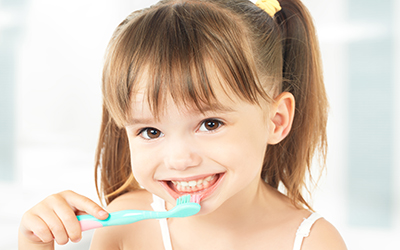
Child brushing teeth

If your child has been suffering from or complaining about bleeding gums, there can be a few different causes. It’s important to take your child’s complaints seriously because bleeding gums can be a warning sign of gum disease.

4 Reasons for Gum Bleeding

Below are a few of the most common reasons for bleeding gums in childhood:

  • Certain medications – Some medications can cause the gums to swell or become sensitive, which makes them more susceptible to irritation and bleeding. If your child has started new medications, be aware of the side effects.
  • A new toothbrush – A new toothbrush with firmer bristles can cause bleeding in the gum tissue. Make sure your child uses only toothbrushes with soft bristles.
  • Flossing too vigorously – If your child has just learned how to floss or if he or she flosses too rough, it can cause irritation and bleeding of the gums. When starting a new oral hygiene routine, gum bleeding should subside within a week. If the bleeding is lasting longer than this, there may be something wrong.
  • Gum disease – Lastly, gum disease can contribute to bleeding gums and can cause more serious issues. This is why it’s important for parents to know the symptoms of gum disease which include:
    • Red, swollen, tender gum tissue
    • Gum tissue that bleeds easily
    • Chronic bad breath
    • Loosening teeth

The best way to avoid gum disease is by making sure your child brushes at least twice a day with fluoride toothpaste, flosses every day, and visits Piedmont Pediatric Dentistry every six months for a dental cleaning and a checkup.

If your child’s gums bleed for longer than a week or if you also notice swelling, redness, or irritation of the gum tissue, it’s important to contact our office to make an appointment for your child. For more information, please call Piedmont Pediatric Dentistry today. Our children’s dentist is located here in Greensboro, North Carolina.  

Posted on Jan 13, 2020
Image Credit: © Dreamstime.com

Share:

Archives

January 26th, 2026
If you’ve noticed small gaps between your child’s baby teeth, you’re not alone—and in many cases, that spacing is actually a…
January 12th, 2026
Children’s jaws don’t just get bigger; they change shape, balance, and function as baby teeth erupt, fall out, and are…
December 22nd, 2025
Tooth decay remains one of the most common chronic conditions among teenagers, driven by busy schedules, increased…
December 8th, 2025
Dental anxiety is common among young children, but with the right support and preparation, it can be significantly reduced.…
November 24th, 2025
Bad breath, or halitosis, isn’t just a concern for adults—it’s surprisingly common among children too. Parents often notice…